Surface Finishing for CNC Machined, Sheet Metal, and Custom Manufacturing Parts
EASEMFG supports surface finishing review for CNC machined parts, sheet metal components, die-cast parts, prototypes, and low-volume production projects. Surface finishing should be selected according to material, appearance requirement, corrosion resistance, wear condition, masking needs, assembly fit, and application environment.
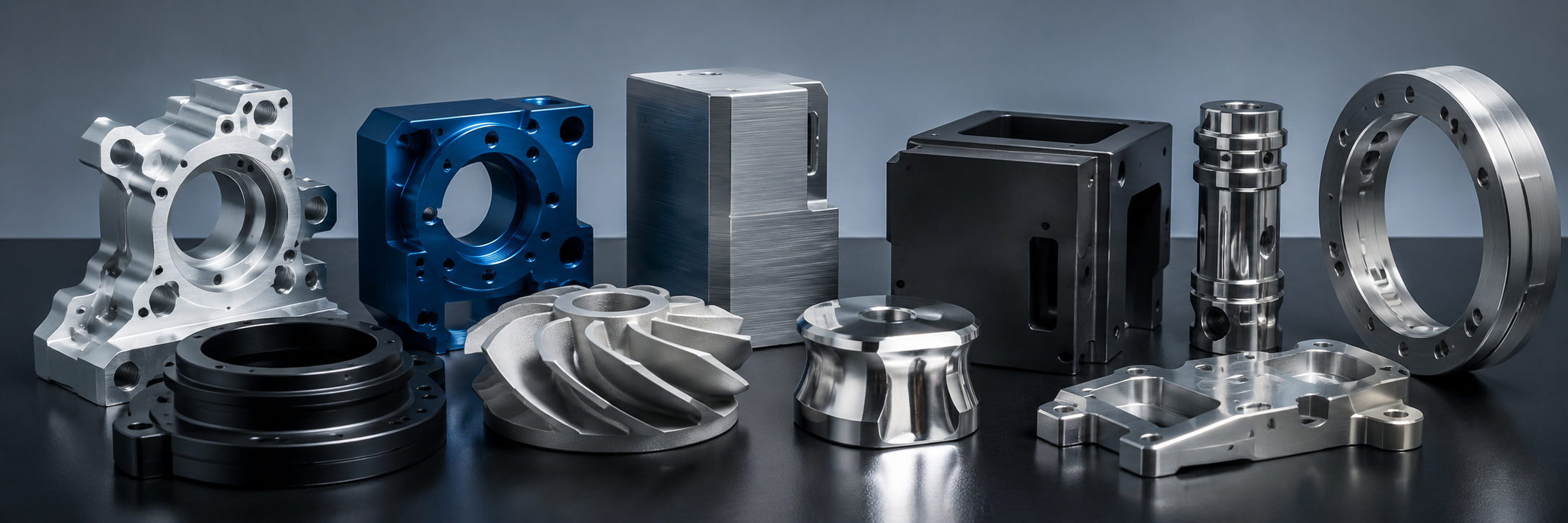
Why Surface Finishing Matters
Appearance Control
Finishing helps control color, gloss, texture, visible tool marks, and product presentation for external parts.
Corrosion Resistance
Coating, anodizing, passivation, or plating may be used when parts work in humid, outdoor, or corrosive environments.
Wear and Contact Areas
Surface choice should consider sliding surfaces, mating areas, assembly contact, and long-term functional wear.
Assembly Protection
Masking, thread protection, hole tolerance, and mating surfaces should be reviewed before finishing.
Common Surface Finishing Options
Different finishing methods are selected according to material, appearance, corrosion resistance, functional requirement, and cost target.
Anodizing
Commonly used for aluminum parts. Suitable for color, appearance, corrosion resistance, and surface protection. Type II and hard anodizing can be reviewed according to application.
Brushing and Polishing
Used for visible metal surfaces requiring controlled texture, cleaner appearance, reduced rough marks, or decorative finish.
Sand Blasting
Creates a matte and uniform surface texture before anodizing, coating, or final visual review.
Powder Coating and Painting
Suitable for covers, panels, enclosures, brackets, and parts requiring color, corrosion protection, and external appearance.
Plating
Used for parts requiring surface protection, conductivity, wear resistance, or specific metallic finish depending on material and function.
Passivation
Often used for stainless steel parts to improve surface cleanliness and corrosion resistance after machining or fabrication.
Material and Finishing Compatibility
Surface finishing should match the material. Not every finish is suitable for every metal or plastic part.
| Material | Common Finishing Options | Review Points |
|---|---|---|
| Aluminum | Anodizing, hard anodizing, sand blasting, brushing, polishing, powder coating, painting. | Alloy grade, color requirement, visible surfaces, masking areas, tolerance impact after anodizing. |
| Stainless Steel | Brushing, polishing, passivation, bead blasting, electropolishing where required. | Surface texture, weld areas, corrosion requirement, visible faces, burr and edge condition. |
| Carbon Steel | Black oxide, zinc plating, nickel plating, powder coating, painting, anti-rust treatment. | Corrosion target, coating thickness, threaded areas, masking, functional surfaces. |
| Brass and Copper | Polishing, plating, passivation-like protection, brushing, anti-oxidation treatment. | Conductivity, appearance, oxidation risk, coating impact on contact surfaces. |
| Engineering Plastics | Deburring, polishing, vapor smoothing or painting where suitable. | Material heat sensitivity, visible surface, dimensional stability, cosmetic requirement. |
Surface Finishing Review Focus
Before production, finishing requirements should be reviewed together with drawing tolerances, surface symbols, material, masking needs, and final assembly use.
| Review Item | Why It Matters | Typical Check Points |
|---|---|---|
| Visible Surfaces | Cosmetic surfaces need clearer requirements than hidden or internal faces. | Front face, customer-facing side, color target, gloss, brush direction, scratch control. |
| Masking Areas | Some areas may need to remain uncoated for assembly, conductivity, sealing, or tolerance control. | Threads, bearing seats, sealing faces, electrical contact points, precision holes. |
| Tolerance Impact | Some finishes add thickness or change surface texture, which may affect fit. | Coating thickness, anodizing layer, hole fit, mating surfaces, press-fit areas. |
| Surface Roughness | Functional or appearance surfaces may require a specific roughness target. | Ra requirement, machined marks, polishing level, blasting texture, functional contact surface. |
| Post-Finishing Inspection | Inspection after finishing helps confirm critical dimensions and surface condition. | Color check, coating coverage, thread condition, burrs, scratches, protected areas. |
Typical Parts Requiring Surface Finishing
Surface treatment is commonly applied after CNC machining, sheet metal fabrication, die casting, or prototype production.
Aluminum Housings and Enclosures
Often use anodizing, blasting, brushing, or coating for appearance, corrosion resistance, and product presentation.
Brackets and Mounting Parts
May require coating, plating, or anodizing depending on assembly environment and corrosion requirement.
Precision Turned and Milled Parts
Need careful review of coating thickness, thread protection, bearing surfaces, and mating dimensions.
Need Surface Finishing Support?
Send your CAD file, drawing, material, surface finish requirement, color expectation, masking areas, quantity, and application environment. EASEMFG can review the suitable finishing process together with machining, fabrication, and inspection requirements.
Request a Quote