CNC Machining Materials for Metal and Plastic Parts | EASEMFG
EASEMFG Upload Drawing
CNC Machining Materials

CNC Machining Materials for Prototype and Production Parts

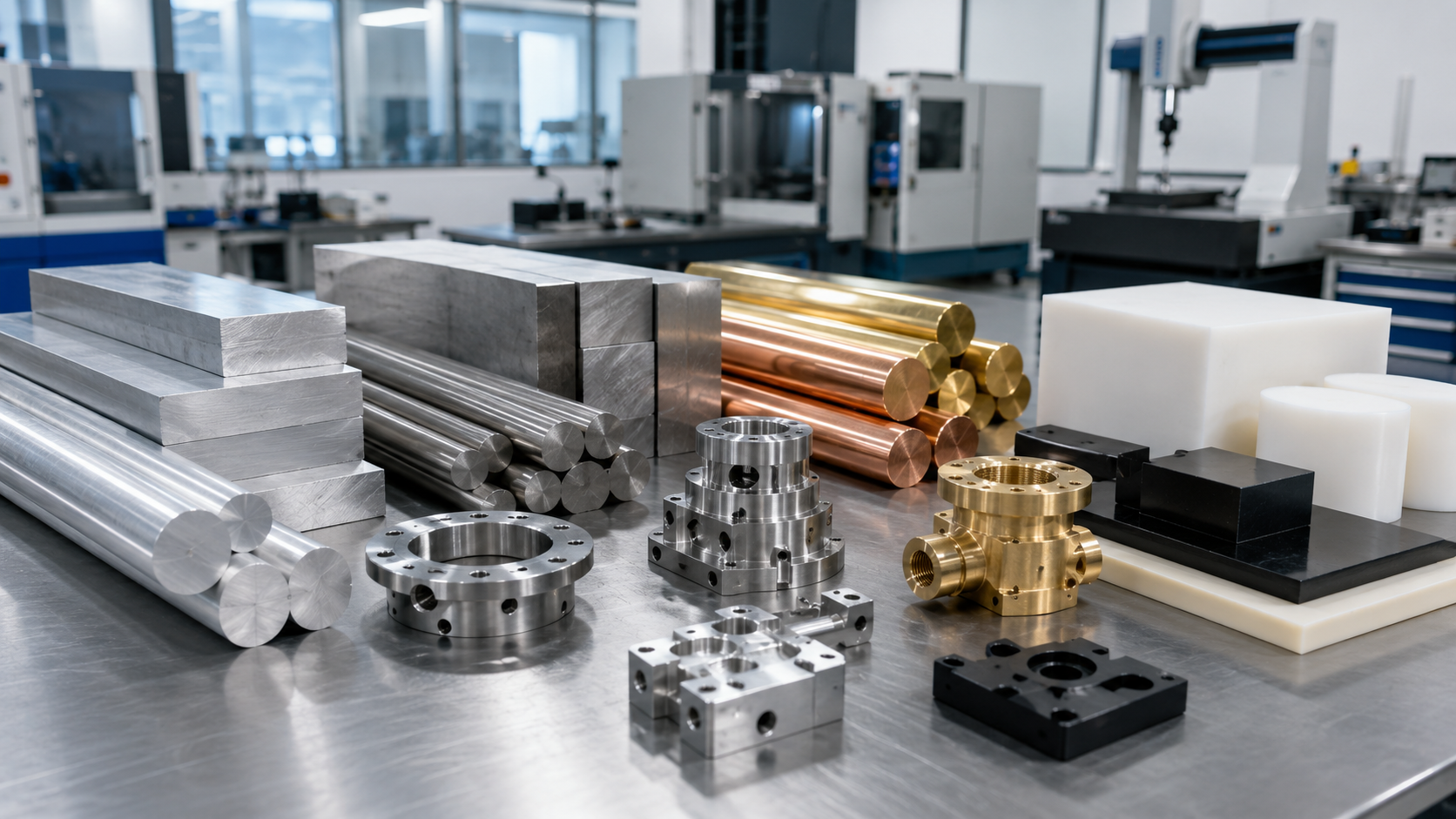
Material selection affects strength, weight, corrosion resistance, surface finishing, cost, and application performance. EASEMFG supports commonly used metals and engineering plastics for CNC machined prototypes, low-volume parts, and batch production.

CNC machining materials overview
Prototype PartsFor design validation, structural samples, and fit checks.
Functional PartsMatch material choice with strength, wear, heat, or corrosion needs.
Surface FinishFinishing depends on material, appearance, and application environment.
Drawing ReviewFinal material should be confirmed with drawings and application requirements.

Common CNC Machining Materials

Specific grades should be confirmed according to drawing requirements, application environment, and production quantity.

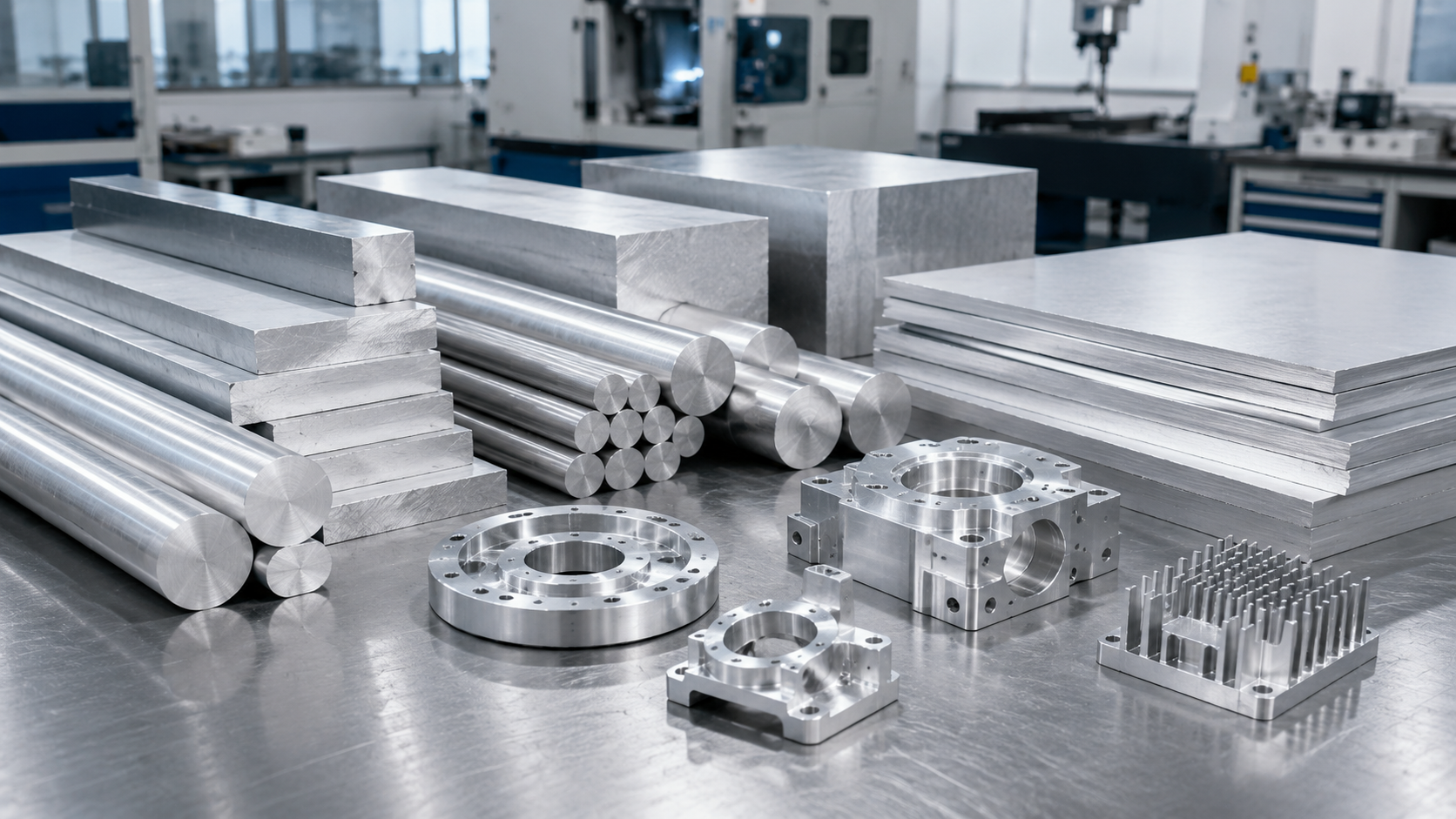
Aluminum CNC machining materials
Aluminum

Aluminum CNC Machining

Aluminum is widely used for prototypes, housings, brackets, frames, heat dissipation structures, and lightweight mechanical components.

  • Common references: 6061, 7075, and project-specific aluminum grades.
  • Suitable for lightweight structures, machined enclosures, and functional prototypes.
  • Surface finishing may include anodizing, brushing, polishing, or sandblasting.
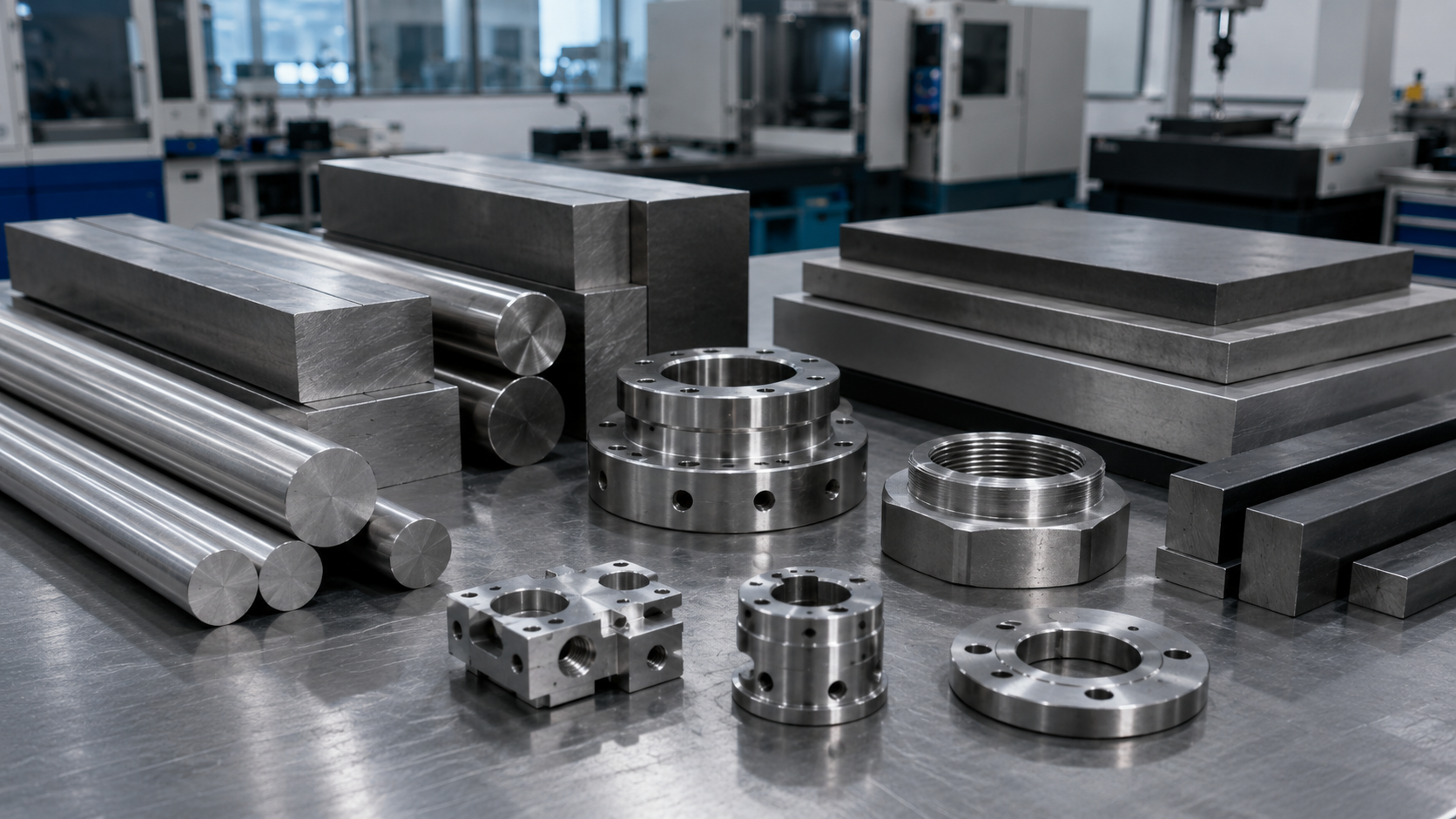
Stainless steel CNC machining materials
Stainless Steel

Stainless Steel CNC Machining

Stainless steel is used when parts require strength, corrosion resistance, durability, or stable mechanical performance.

  • Common references: 304, 316, 17-4PH, and project-specific grades.
  • Suitable for shafts, fittings, sleeves, connectors, fixtures, and industrial components.
  • Machining strategy should consider hardness, tool wear, surface condition, and tolerance.
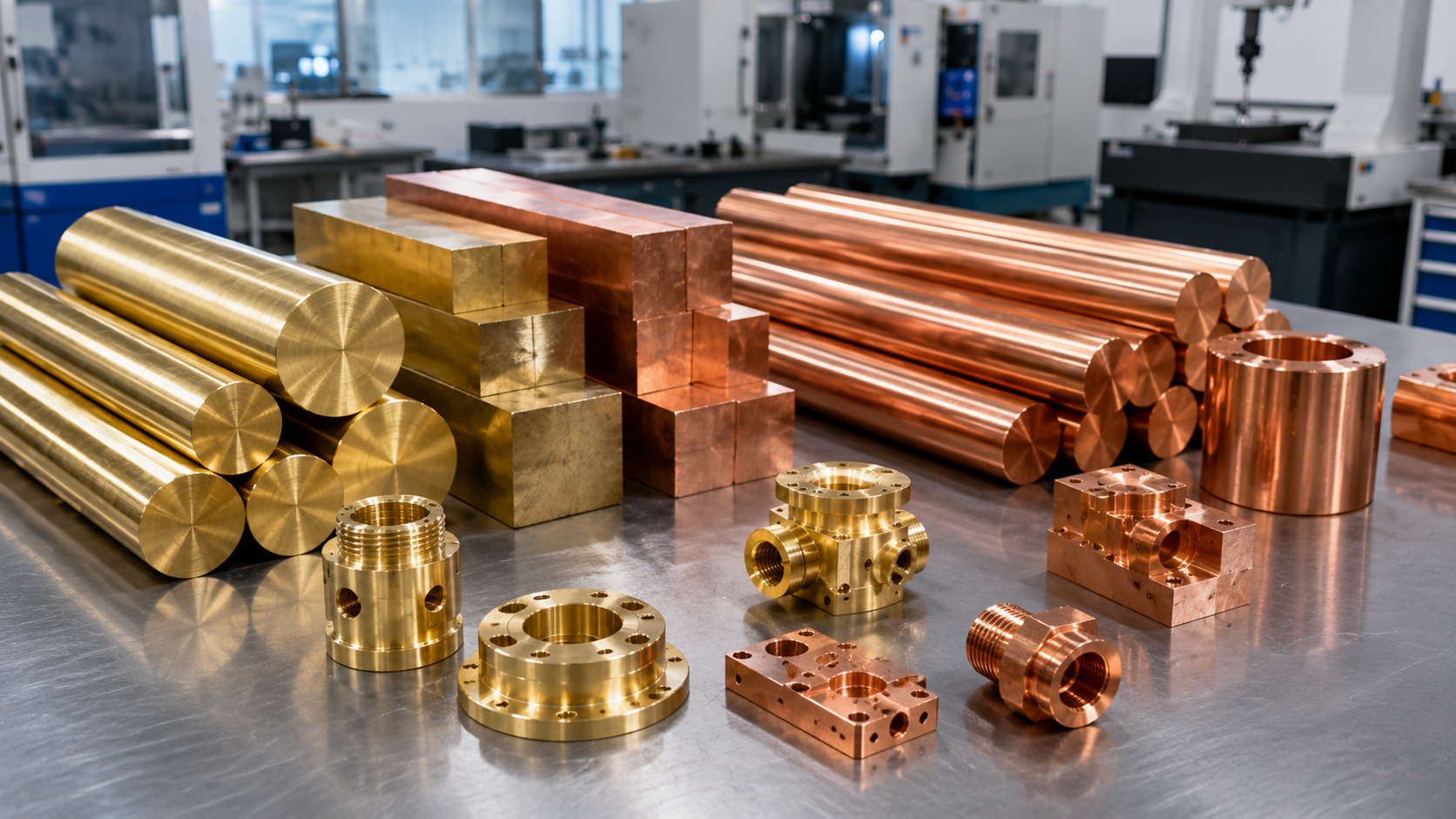
Brass and copper CNC machining materials
Brass & Copper

Brass and Copper CNC Machining

Brass and copper are commonly used for conductive, thermal, connector, and precision hardware applications.

  • Common uses include electrical connectors, terminals, bushings, threaded parts, and fittings.
  • Copper selection should consider conductivity, thermal performance, surface condition, and machining behavior.
  • Brass is often selected for machinability, hardware parts, fittings, and functional metal components.
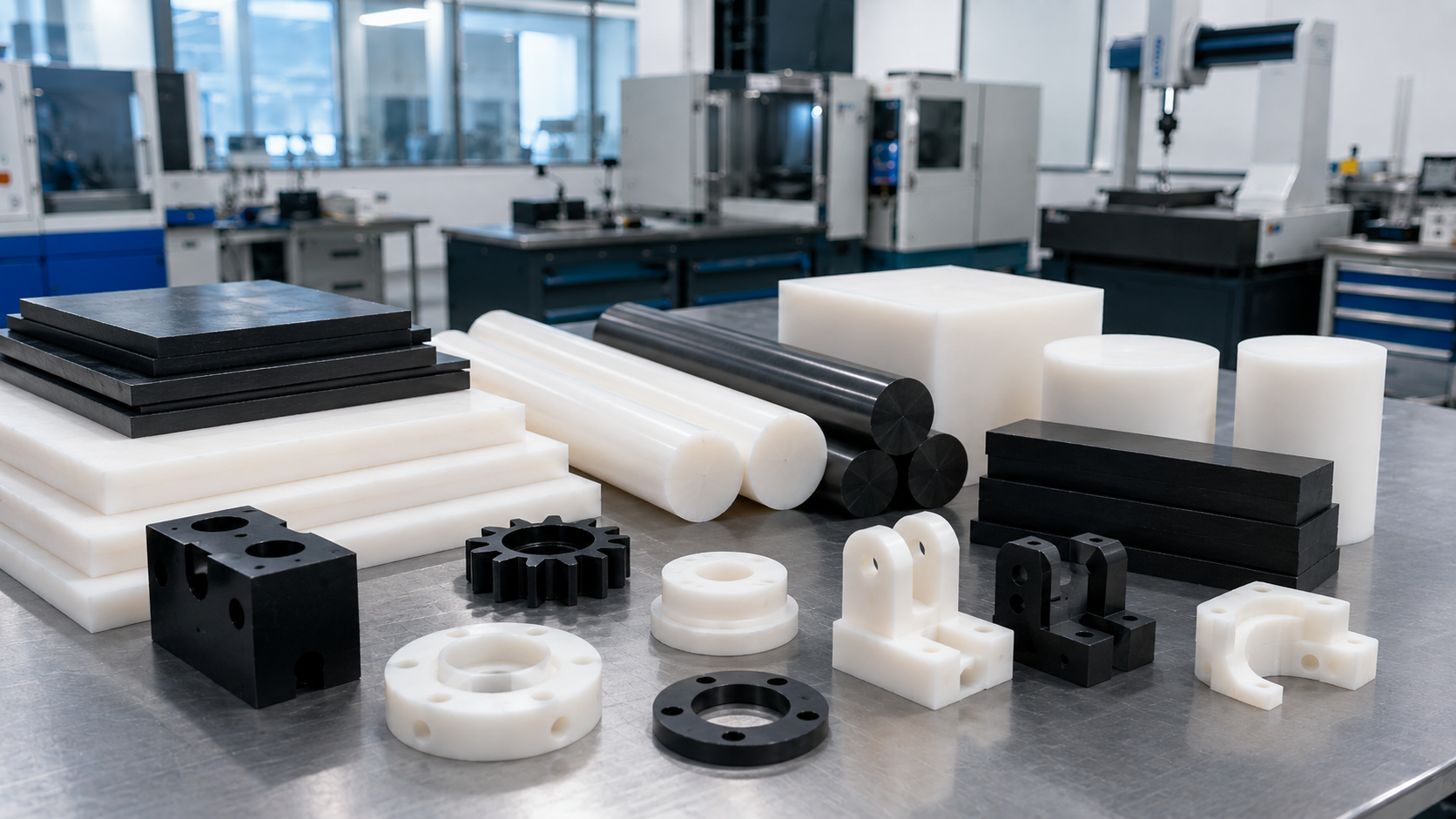
Engineering plastics CNC machining materials
Engineering Plastics

Engineering Plastic CNC Machining

Engineering plastics are used for lightweight parts, insulation components, wear-resistant parts, functional prototypes, and non-metallic structures.

  • Common references: POM, nylon, ABS, PC, PMMA, PTFE, and project-specific plastics.
  • Suitable for spacers, covers, guides, fixtures, insulating parts, and prototype components.
  • Plastic machining should consider deformation, burr control, surface finish, and clamping method.

Material Selection Reference

Material selection should consider strength, weight, corrosion resistance, finishing method, tolerance, and application environment.

Material Group Typical Applications Selection Considerations Common Finishing Options
Aluminum Housings, brackets, frames, enclosures, prototype parts Weight, machinability, strength, appearance, anodizing suitability Anodizing, brushing, polishing, sandblasting, as-machined
Stainless Steel Shafts, fittings, sleeves, fixtures, industrial components Strength, corrosion resistance, hardness, tool wear, surface requirement Passivation, polishing, brushing, bead blasting, as-machined
Brass & Copper Connectors, terminals, bushings, fittings, conductive parts Conductivity, thermal performance, machinability, surface protection Polishing, plating, brushing, as-machined
Engineering Plastics Insulation parts, guides, spacers, covers, fixtures Deformation risk, wear behavior, insulation, temperature environment As-machined, polishing for selected plastics, edge deburring

How to Choose a Material for CNC Machining

If the drawing does not specify a final material, the selection should be reviewed from function, machining risk, and finishing requirements.

Start from Function

Confirm whether the part needs strength, lightweight structure, corrosion resistance, conductivity, insulation, wear resistance, or appearance quality.

Review Machining Risk

Thin walls, deep pockets, tight tolerance, small holes, long shafts, and plastic deformation risks should be reviewed before production.

Confirm Finishing Needs

Surface treatment should match material type, application environment, cosmetic requirement, and assembly condition.

Need Help Choosing a CNC Machining Material?

Send your drawing, material requirement, quantity range, surface finishing needs, and application details. EASEMFG can review the project and suggest a practical material and machining approach.

Request a Quote