Application Case
CNC Machining Application for Drone Gimbal Aluminum Parts
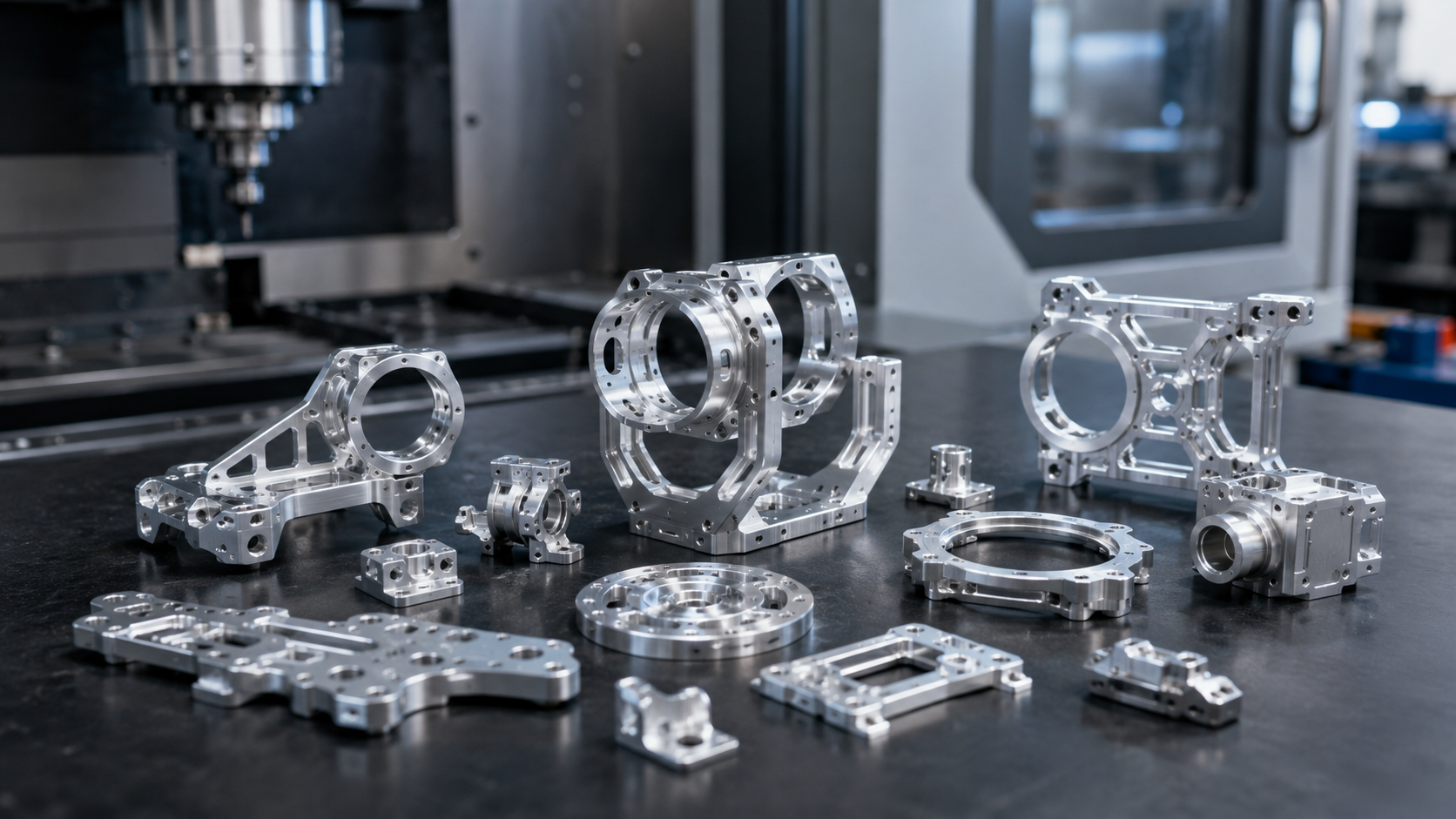
Drone gimbal components require lightweight structure, accurate mounting features,
stable assembly alignment, and repeatable machining quality. This application case explains
how CNC machining can support prototype validation, low-volume production, and batch preparation
for aluminum drone gimbal parts.
ApplicationDrone gimbal / camera stabilization
Part TypeBrackets, housings, mounting rings, support arms
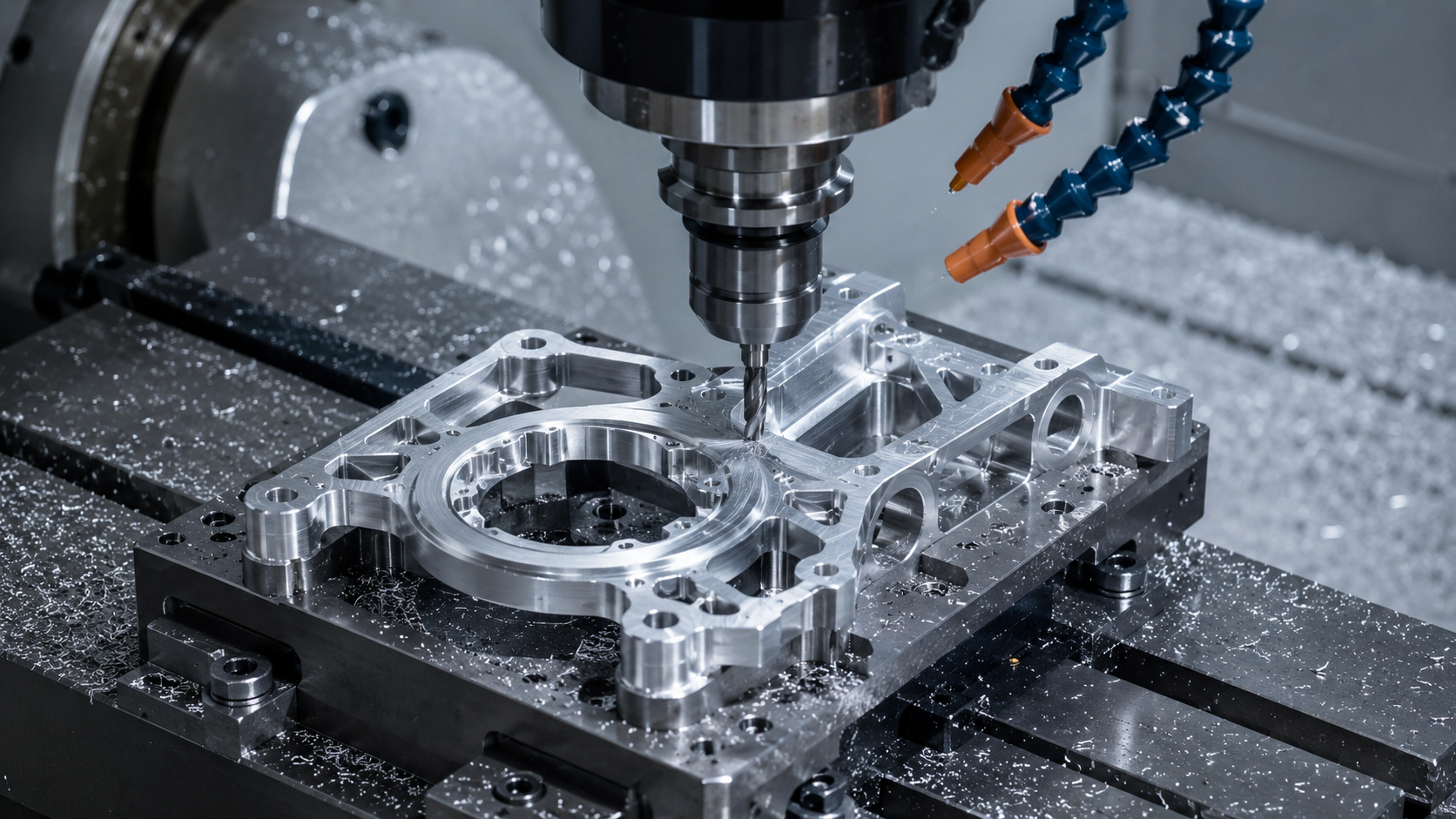
ProcessCNC milling, drilling, pocket machining
MaterialAluminum alloy
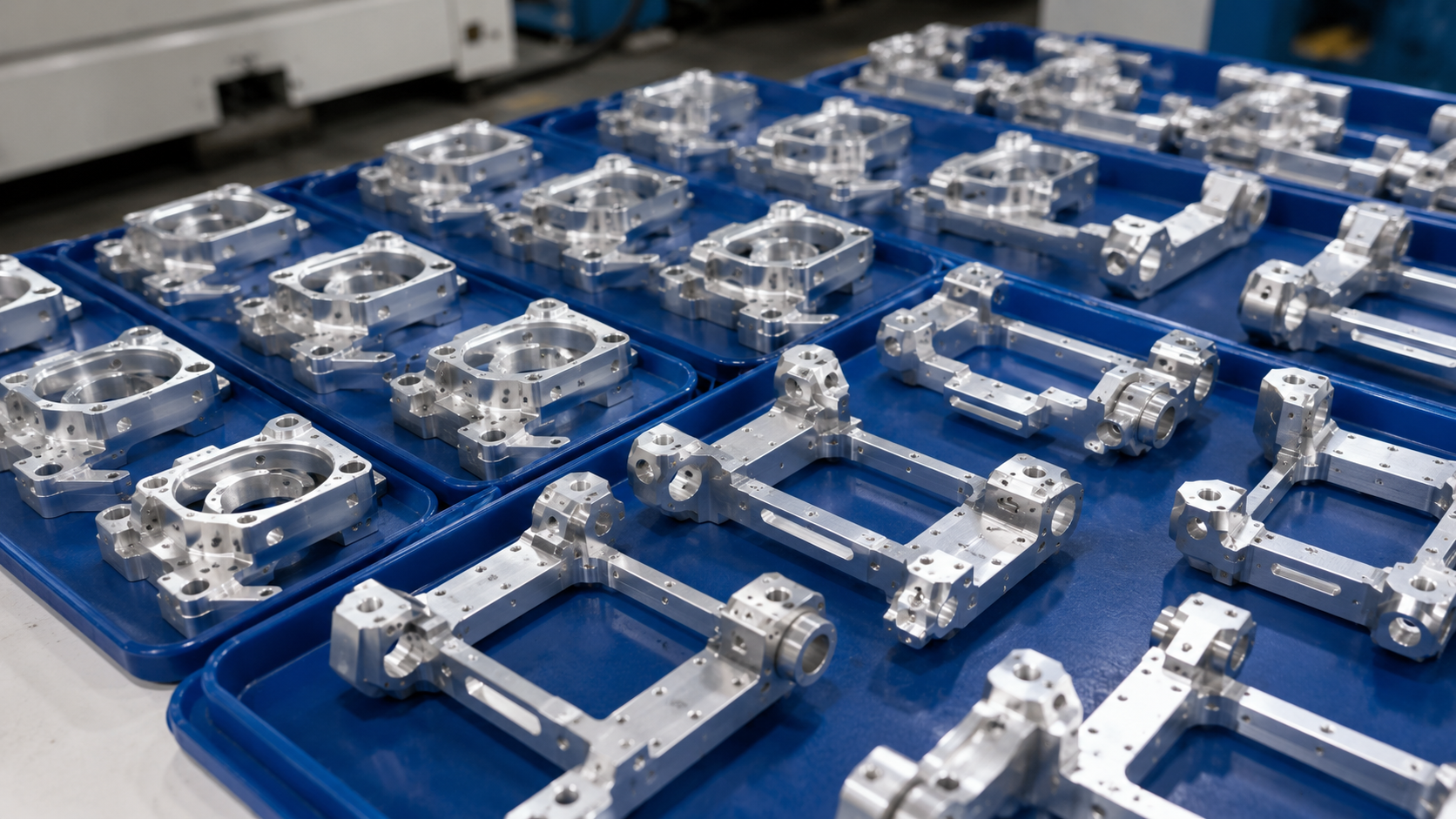
QuantityPrototype / low-volume / batch production
Technical FocusWeight reduction, hole position, assembly alignment
About the Customer and Project
The customer is an unnamed drone equipment developer working on camera stabilization and
gimbal assembly components. The project involved CNC-machined aluminum parts used for
mounting frames, support brackets, rotating rings, and lightweight structural housings.
Because drone gimbal parts are related to camera movement, assembly alignment, and weight
control, the customer needed machined components that could support prototype review,
functional testing, and small-batch production preparation. Customer identity and product
design details are intentionally not disclosed.
Project Background
Drone gimbal assemblies usually contain multiple lightweight aluminum components,
including camera mounting frames, rotating support rings, side brackets, and structural arms.
These parts must support movement, alignment, and assembly while keeping unnecessary weight low.
CNC machining is useful during prototype development and low-volume production because design
changes can be reviewed before larger batch manufacturing.
Main Machining Challenges
Drone gimbal parts often combine thin walls, curved profiles, multiple mounting holes,
and weight-reduction pockets. These features require careful machining sequence planning.
- Lightweight pocket structures and thin-wall areas
- Consistent hole positions for assembly alignment
- Stable clamping for irregular bracket shapes
- Burr control around pockets and mounting holes
- Surface condition before anodizing or other finishing
- Repeatable dimensions across prototype and batch parts
EASEMFG Machining Approach
EASEMFG reviews CAD geometry, material requirements, assembly interfaces, and critical hole
positions before machining. The process can be planned around tool access, workholding stability,
and repeatable cutting paths.
For drone gimbal parts, machining review should focus on weight-reduction features,
bearing or shaft interface areas, screw hole positions, and surfaces that affect final assembly alignment.
Production Review
Finished drone gimbal components can support prototype assembly, camera stabilization testing,
pilot production, and batch manufacturing preparation. If surface finishing is required, anodizing
or other finishing details should be discussed before machining.
Note: This page is an application-style CNC machining case reference. It explains typical part types,
machining considerations, and project communication direction. It does not disclose customer identity
or include unsupported delivery, certification, or tolerance claims.
Need CNC Machining for Drone Gimbal Parts?
Share your CAD drawing, material requirements, quantity, surface finishing needs, and application details.
EASEMFG will review the project and provide a practical CNC machining approach.
Request a Quote